

European Alpine Academy 2026
Das Thema der europäischen Alpenakademie 2026:
„Theokrit und die Wiederkehr des Idyllischen. Heimat, Wahrnehmung und das gute Leben in der Moderne“
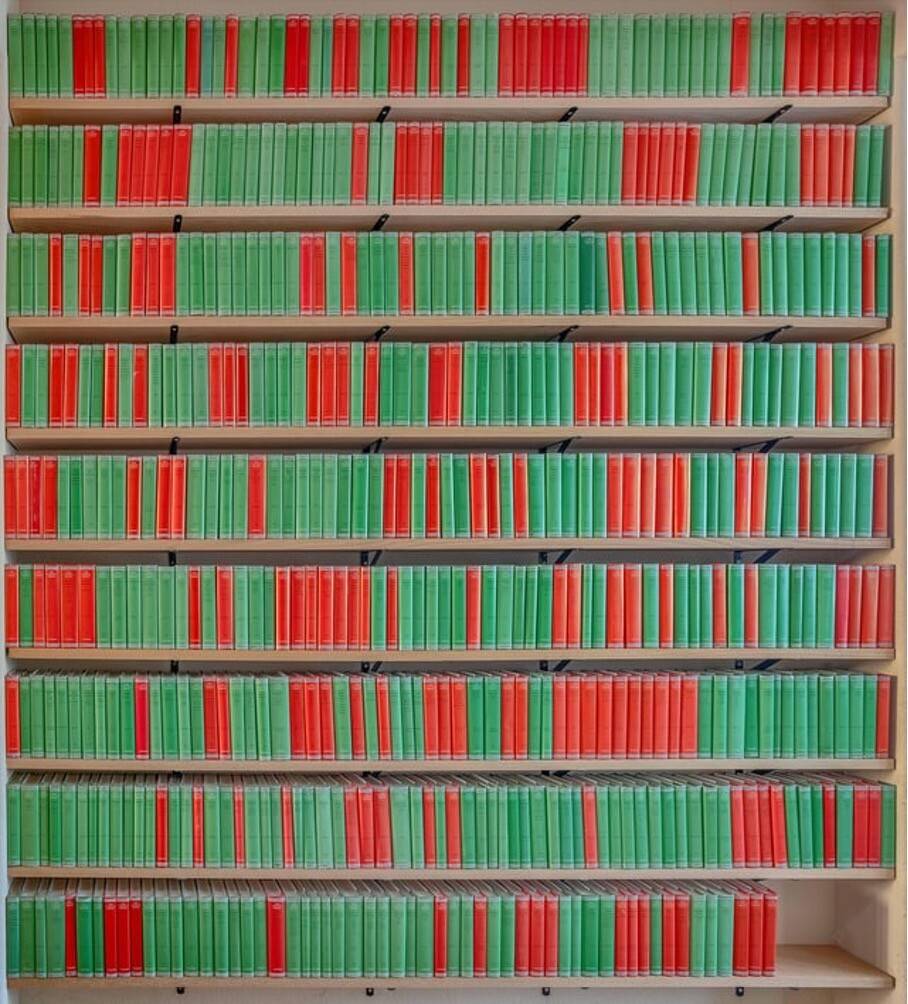
Im Mittelpunkt der European Alpine Academy 2026 steht Band 28 der Loeb Classical Library: die Idyllen des Theokrit.
Die dreißig Gedichte des Theokrit aus dem 3. Jahrhundert v. Chr. markieren den Beginn jener literarischen Tradition,
die später als bukolische Dichtung bezeichnet wurde. Hirten, Landschaften, Gärten und ländliche Gemeinschaften
bilden ihren äußeren Rahmen. Doch bereits bei Theokrit geht es um weit mehr als die poetische Darstellung einer
vermeintlich einfachen Welt. Seine Gedichte stellen grundlegende Fragen nach dem Verhältnis des Menschen
zur Natur, zur Gemeinschaft und zu sich selbst.
Die Idylle ist deshalb nicht nur eine literarische Form, sondern auch ein philosophisches Konzept. Sie verweist auf
die Möglichkeit eines Lebens in Maß, Einfachheit und Klarheit. Im Altgriechischen steht das Wort eidyllion in enger
Beziehung zu idein, dem Sehen. Die Idylle bezeichnet somit nicht allein einen Gegenstand poetischer Darstellung,
sondern eine besondere Weise der Wahrnehmung. Sie eröffnet die Möglichkeit, die Welt mit neuen Augen zu betrachten
und das Vertraute im Licht einer tieferen Aufmerksamkeit wiederzuentdecken.
In diesem Sinne ist die Idylle keineswegs nur ein Gegenstand der Antike. Fragen nach Heimat, Zugehörigkeit,
Verwurzelung und einem gelingenden Leben prägen auch die Gegenwart. In einer Zeit zunehmender Beschleunigung,
digitaler Reizüberflutung und gesellschaftlicher Fragmentierung gewinnen Vorstellungen von Nähe, Gemeinschaft und
Überschaubarkeit neue Bedeutung.
Die Suche nach solchen Formen des „Zuhause-Seins“ begegnet uns heute in unterschiedlichen kulturellen Kontexten.
In Dänemark steht das Konzept des Hygge für eine Kultur der Geborgenheit, der Gemeinschaft und der bewussten
Einfachheit. In den Vereinigten Staaten äußert sich eine vergleichbare Sehnsucht häufig in der Suche nach lokalen
Gemeinschaften, traditionellen Lebensformen und einer stärkeren Verwurzelung in überschaubaren sozialen Räumen.
Hinter diesen unterschiedlichen Erscheinungsformen steht eine gemeinsame Frage: Wo und wie kann der Mensch
in einer komplexen Welt Heimat finden?
Die European Alpine Academy 2026 untersucht das Erbe des Theokrit daher nicht allein aus philologischer Perspektive.
Sie fragt nach den Spuren des Idyllischen in Literatur, Kunst und Kulturgeschichte, von der antiken Bukolik über die
europäische Landschaftsmalerei bis hin zu den Werken Carl Spitzwegs und modernen Vorstellungen von Heimat und Zugehörigkeit.
Zugleich richtet sich der Blick auf die Ambivalenzen des Idyllischen. Das Idyll ist nicht nur ein Ort der Schönheit und
Harmonie.Es kann ebenso Projektionsfläche für nostalgische Sehnsüchte, politische Idealisierungen und Formen kultureller
Selbstvergewisserung werden.
Der klassische locus amoenus, der „liebliche Ort“ der antiken Tradition, besitzt in der Moderne auch eine Schattenseite.
Die Sehnsucht nach Heimat kann Offenheit ermöglichen, aber ebenso Ausschließung hervorbringen; die Suche nach
Orientierung kann zu neuer Aufmerksamkeit führen, aber auch zur Verklärung einer vermeintlich besseren Vergangenheit.
Gerade deshalb ist die Idylle heute von besonderer Aktualität. Sie fordert uns heraus, über die Bedingungen eines
guten Lebens nachzudenken und darüber, wie Menschen in einer komplexen Welt Orientierung finden können.
Die European Alpine Academy 2026 lädt dazu ein, die Idyllen des Theokrit als Ausgangspunkt für eine neue
Auseinandersetzung mit Natur, Kultur und menschlicher Selbstverortung zu lesen.
English Version
The Theme of the European Alpine Academy 2026
Theocritus and the Return of the Idyll: Home, Perception, and the Good Life in Modernity
At the heart of the European Alpine Academy 2026 stands Volume 28 of the Loeb Classical Library: The Idylls of Theocritus.
The thirty poems of Theocritus, composed in the third century BCE, mark the beginning of the literary tradition that later came
to be known as pastoral poetry. Shepherds, landscapes, gardens, and rural communities provide their outward setting.
Yet even in Theocritus, these poems are about far more than the poetic depiction of an ostensibly simple world.
They raise fundamental questions about the relationship between human beings and nature, community, and themselves.
The idyll is therefore not merely a literary form but also a philosophical concept. It points toward the possibility of a life characterized
by measure, simplicity, and clarity. In Ancient Greek, the word eidyllion is closely related to idein, “to see.” The idyll thus denotes not
only an object of poetic representation but also a particular mode of perception. It offers the possibility of seeing the world with fresh eyes
and rediscovering the familiar in the light of deeper attentiveness.
In this sense, the idyll is by no means merely an object of antiquity. Questions of home, belonging, rootedness, and the good life continue
to shape the contemporary world. In an age marked by increasing acceleration, digital overstimulation, and social fragmentation,
notions of proximity, community, and human scale are acquiring renewed significance.
The search for such forms of “being at home” manifests itself today in diverse cultural contexts. In Denmark, the concept of hygge
represents a culture of comfort, community, and deliberate simplicity. In the United States, a comparable longing often finds expression
in the search for local communities, traditional ways of life, and stronger forms of social rootedness. Behind these different manifestations
lies a common question: where and how can human beings find a sense of home in an increasingly complex world?
The European Alpine Academy 2026 therefore approaches the legacy of Theocritus from more than a philological perspective.
It explores the traces of the idyllic in literature, art, and cultural history, from ancient pastoral poetry and European landscape painting to the
works of Carl Spitzweg and contemporary notions of home and belonging.
At the same time, attention is directed toward the ambiguities of the idyllic. The idyll is not merely a place of beauty and harmony.
It can also serve as a projection screen for nostalgic longings, political idealizations, and forms of cultural self-affirmation.
The classical locus amoenus, the “pleasant place” of ancient tradition, also possesses a shadow side in modernity. The longing for home
can foster openness, but it can also produce exclusion; the search for orientation can lead to renewed attentiveness, yet equally to the
idealization of a supposedly better past.
For precisely this reason, the idyll possesses a particular relevance today. It challenges us to reflect upon the conditions of the good life
and upon the ways in which human beings can find orientation in a complex world. The European Alpine Academy 2026 invites participants
to read the Idylls of Theocritus as a point of departure for a renewed engagement with nature, culture, and the human search for
meaning and place in the world.